
- Licensed & Insured
- Free Estimate
Shingle Roof Repair Services
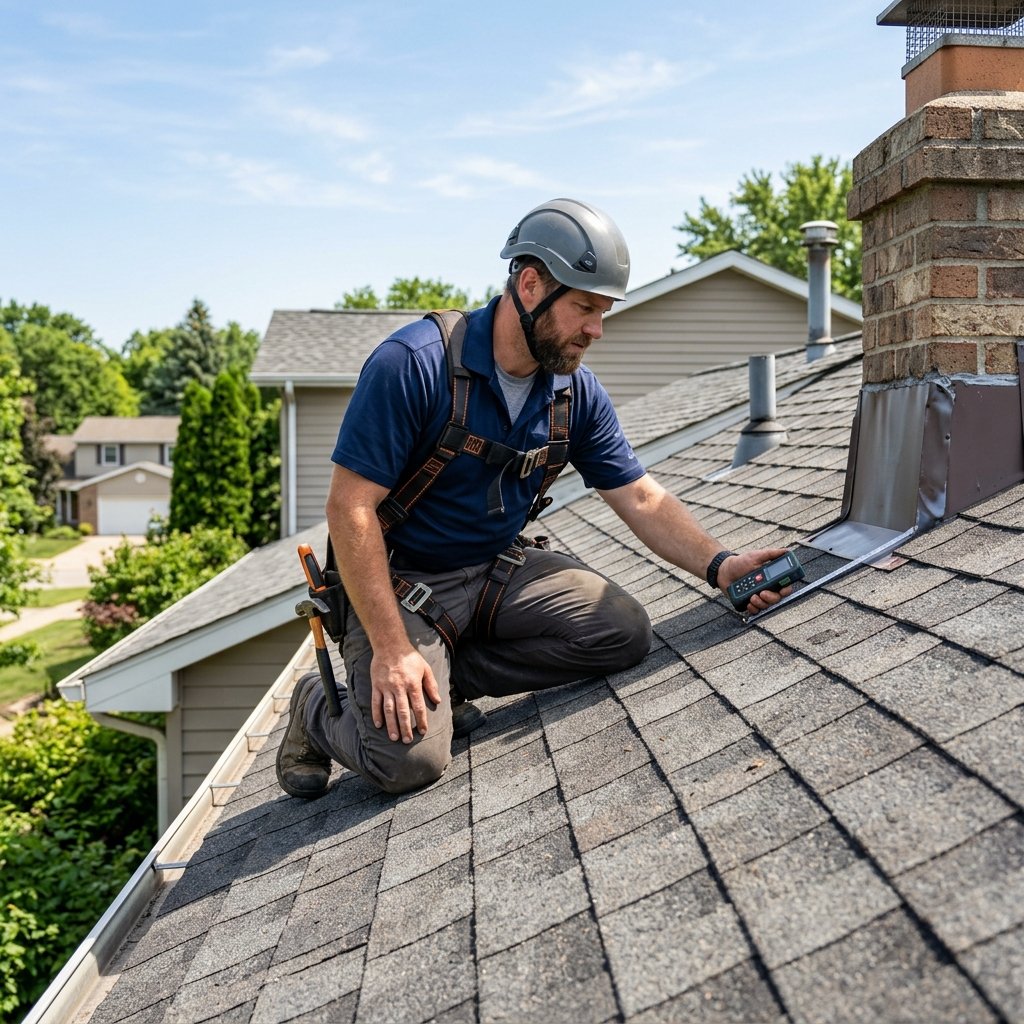
Missing shingles, cracked tabs, loose fasteners, damaged flashing, and isolated roof leaks can expose the roof deck to moisture. Shingle roof repair targets localized damage while preserving asphalt shingles that remain serviceable. Roofing Relief Pros helps homeowners identify the leak source, assess surrounding shingles, inspect flashing and accessible decking, and determine the repair area.
- Free estimate
- Leak source identified before repair
- Compatible replacement shingles
- Licensed & insured crews
Get a Free Shingle Roof Repair Estimate
Fast response. No spam. No obligation.
What Does Shingle Roof Repair Include?
Shingle roof repair corrects localized defects within an asphalt roofing assembly. The roofing contractor first identifies the damaged area and determines whether surrounding materials remain suitable for repair. The repair scope can include damaged shingle removal, replacement shingles, underlayment correction, deck repair, flashing replacement, and compatible roof accessories. Asphalt shingles rely on overlapping courses to shed water toward the eaves, and a damaged shingle can interrupt that drainage path and expose the materials beneath the roof covering. A complete repair should correct the actual failure point instead of covering visible damage with surface sealant.
When Does an Asphalt Shingle Roof Need Repair?
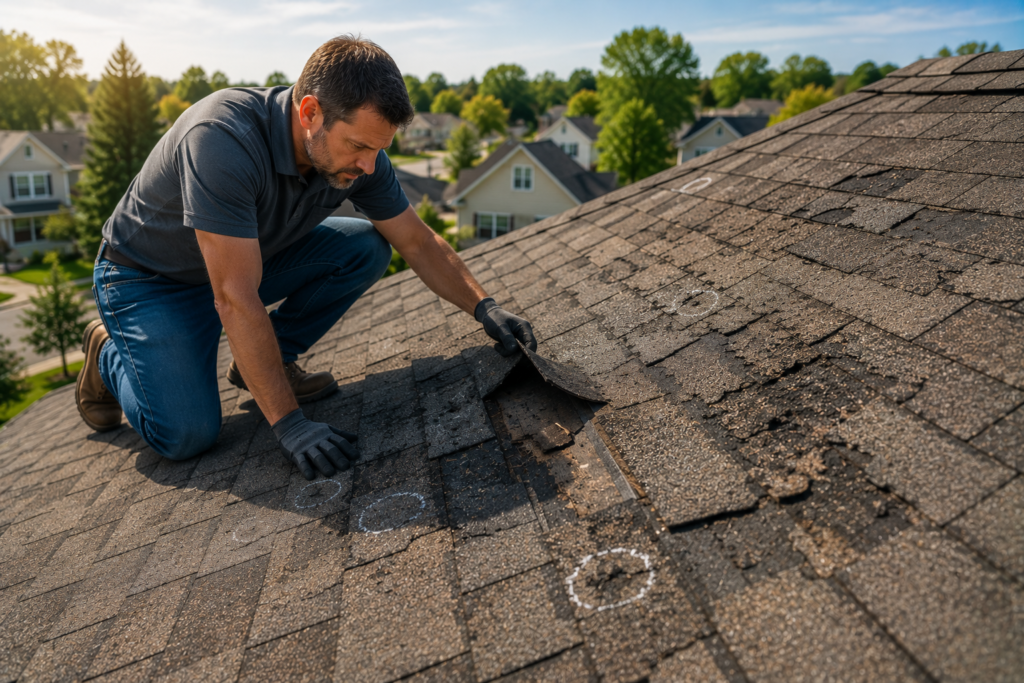
Localized damage often supports repair when the remaining roof covering continues to perform correctly. Common repair conditions include several missing shingles after wind, one cracked shingle area, an isolated flashing leak, a damaged plumbing vent boot, or limited impact damage. The contractor should inspect surrounding shingles before recommending repair, since brittle, cracked, or deteriorated shingles across several roof planes can make isolated replacement less practical. Repair works best when damage remains limited and compatible replacement materials can integrate with the existing roofing assembly. Widespread deterioration can require a shingle roof replacement assessment instead.
Common Shingle Repair Types
Missing Shingle Repair
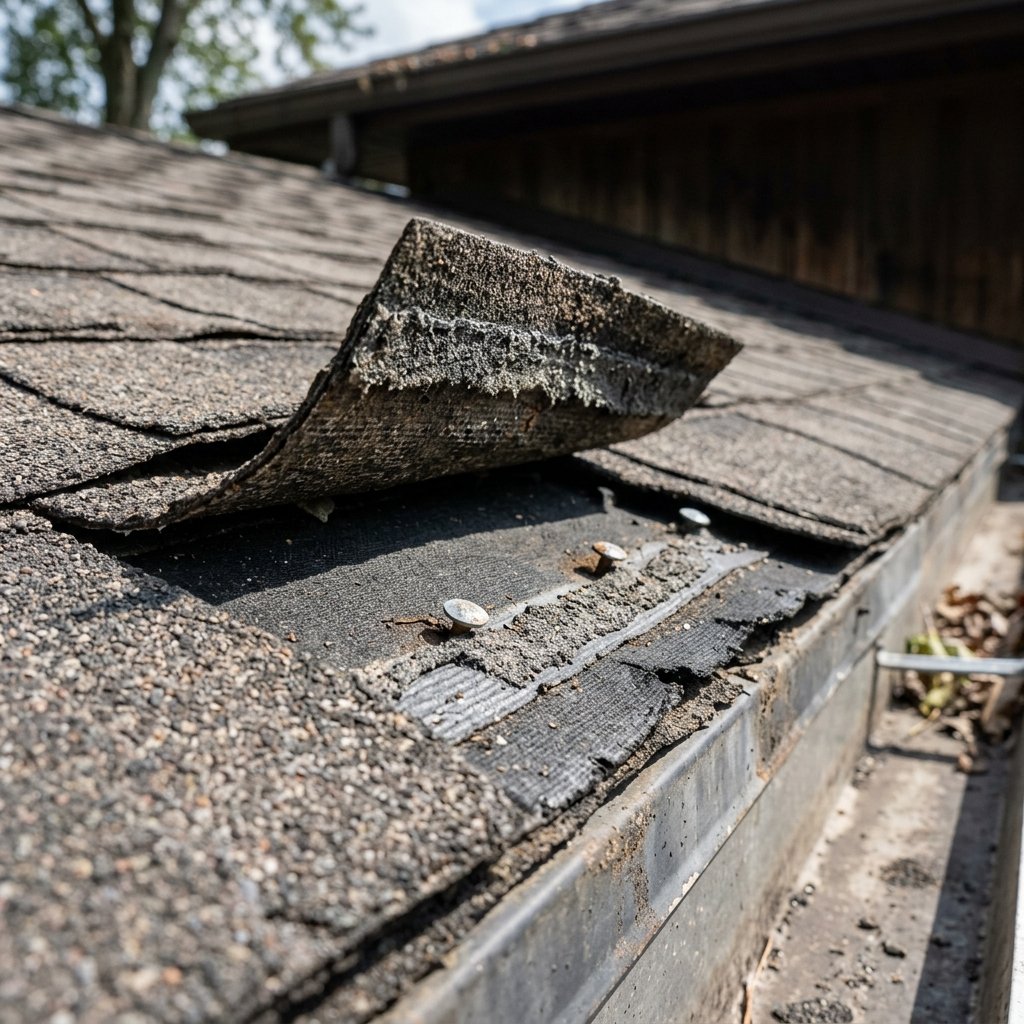
Wind can lift or remove shingles when forces exceed the resistance provided by the attachment and sealing system. The contractor removes damaged material, examines the underlying surface, installs compatible replacement shingles using the required fastening pattern, and inspects adjoining shingles that wind may have loosened without removing.
Cracked and Broken Shingle Repair
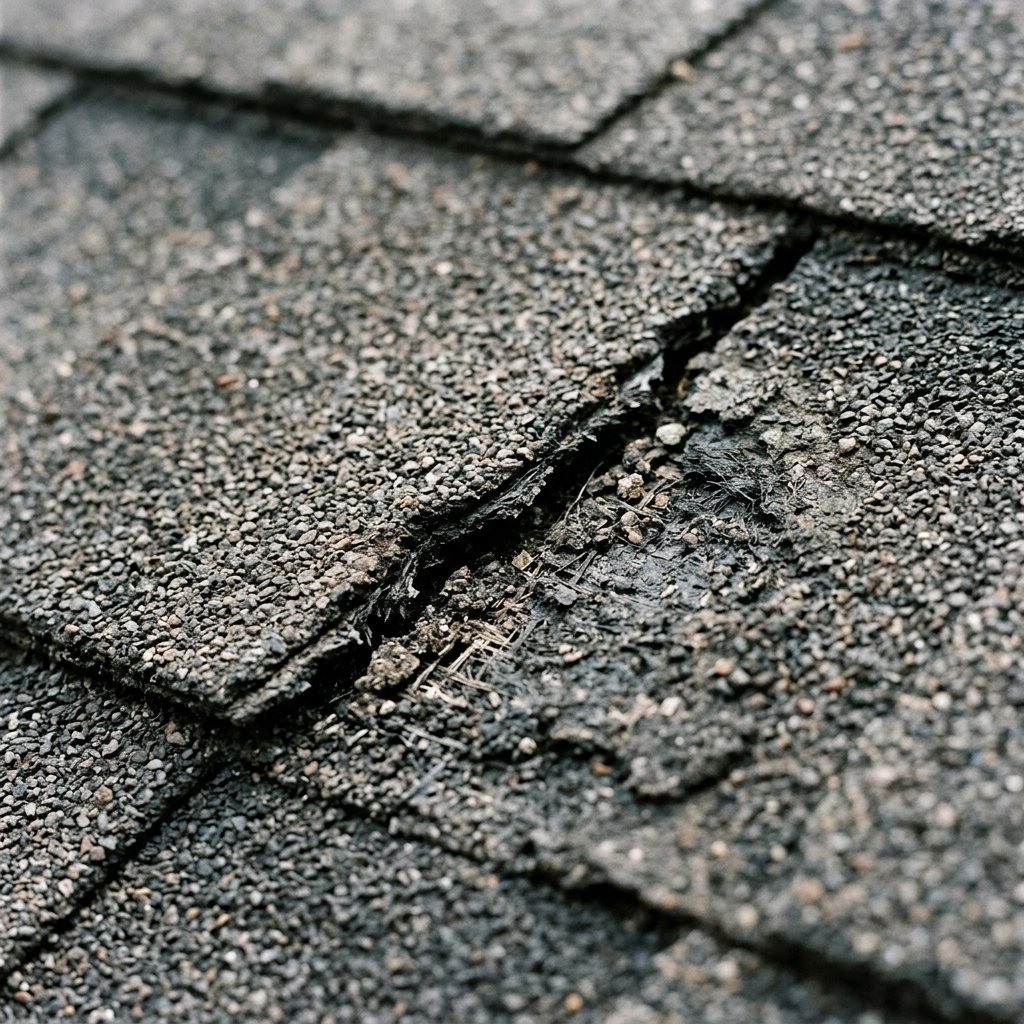
One cracked tab may result from impact, foot traffic, or material deterioration. The roofing contractor should inspect the complete shingle rather than only the visible crack, since damage near the fastening area can require complete shingle replacement rather than a surface patch.
Loose and Lifted Shingle Repair
Shingles can lift when wind, fastening problems, or sealing issues reduce attachment to the roof. The contractor examines fasteners, seal strips, surrounding shingles, and the roof deck, then addresses the attachment problem rather than only pressing the lifted shingle back into position.
Granule Loss and Surface Damage
Concentrated granule loss caused by impact, abrasion, or material damage deserves closer inspection for exposed asphalt, cracks, punctures, and broken edges. Localized surface damage can support shingle replacement when the surrounding roofing remains serviceable.
Roof Leak Repair for Asphalt Shingles
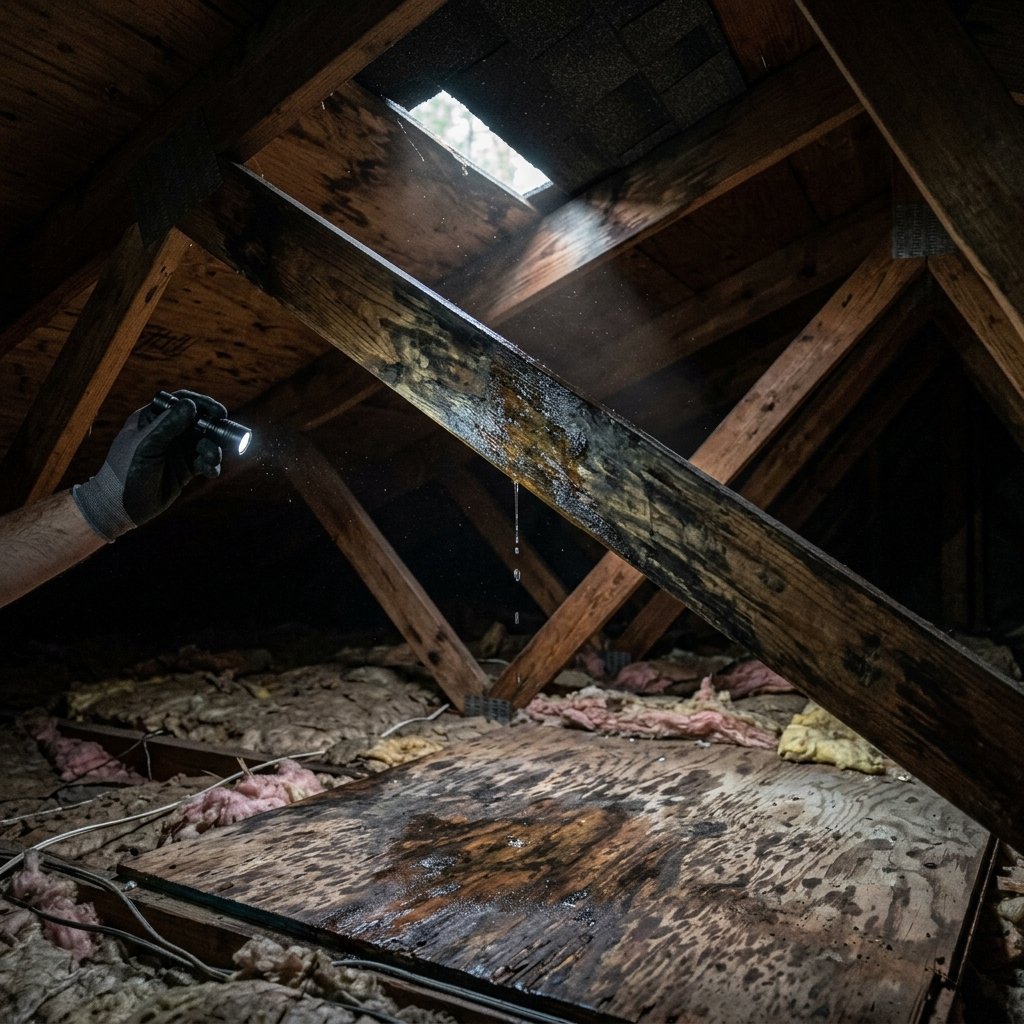
Interior water stains do not always appear directly beneath the exterior roof defect. Water can enter near a damaged shingle, valley, wall, vent, or flashing detail and move along decking or framing before reaching the ceiling. A roofing contractor should trace the leak path before removing shingles, using exterior inspection and attic evidence to help identify the likely source. The repair may involve more than replacing one visible shingle, since damaged underlayment, flashing, or decking can require correction within the same repair area. Finding the source first reduces the chance of repairing the wrong roof section.
Flashing, Pipe Boot, and Vent Repair
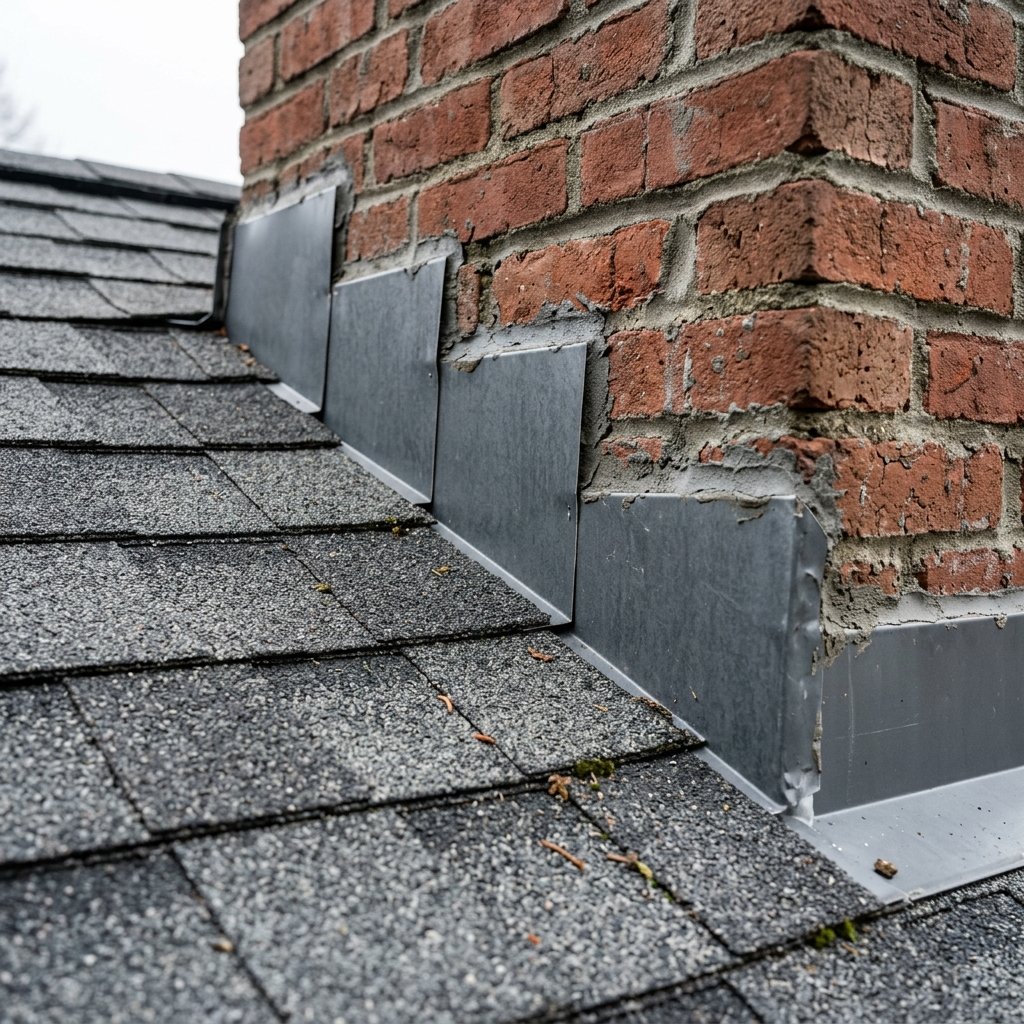
Flashing manages water around locations where shingles meet other building components. Common flashing areas include chimneys, sidewalls, headwalls, skylights, valleys, and plumbing penetrations, each requiring specific water management details because the normal shingle pattern changes around each transition. Step flashing commonly integrates with individual shingle courses along sidewalls, and chimney assemblies can include base flashing, step flashing, and counterflashing. NRCA recommends considering a cricket on the upslope side of a chimney or rectangular roof penetration measuring 24 inches or wider. A flashing leak should receive flashing repair rather than additional shingles over the existing defect.
Plumbing vents also penetrate the roof covering and require flashing to prevent water entry. Pipe boots can deteriorate around the pipe opening or lose watertight integration with surrounding shingles, and cracked components can allow rain to reach underlayment and decking. The contractor removes shingles as necessary to access the flashing area, replaces damaged components, and integrates the repair with surrounding shingle courses.
Valley Shingle Repair
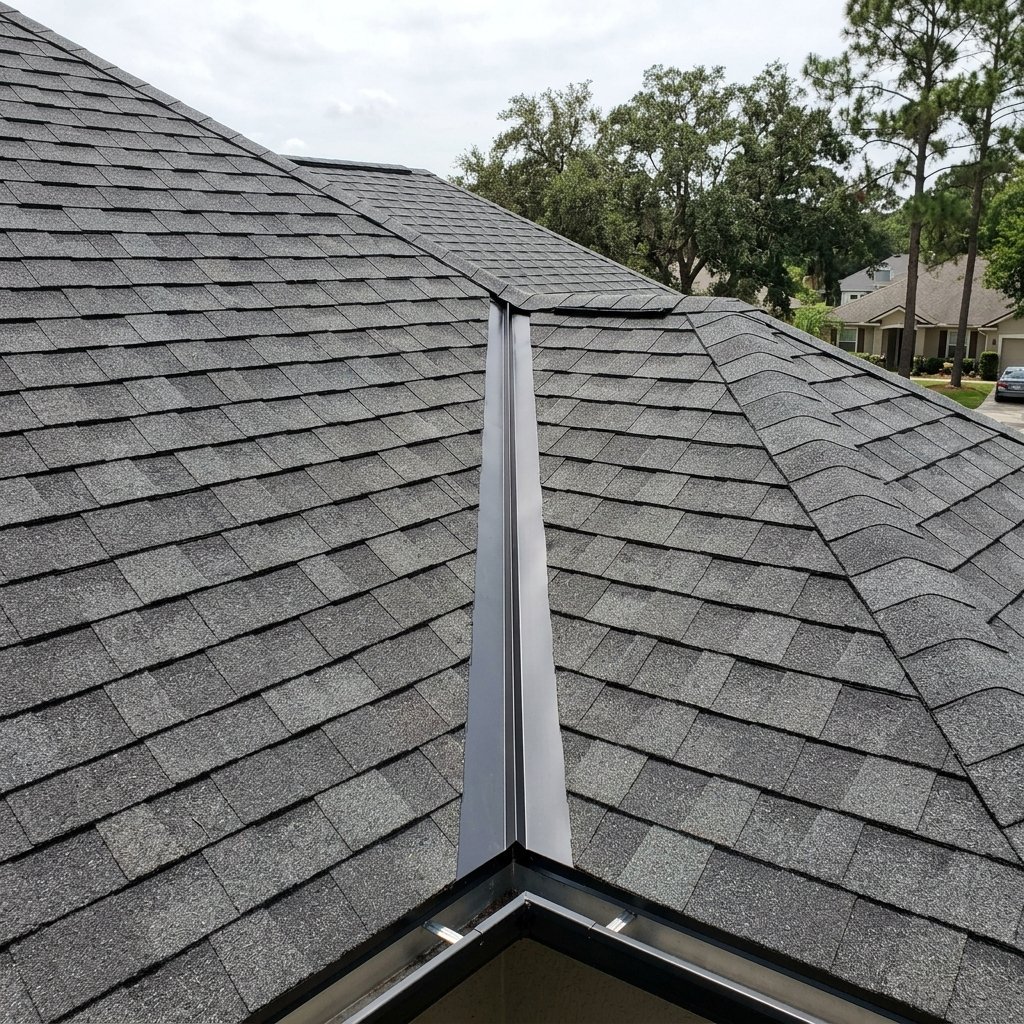
Roof valleys collect runoff from two adjoining roof planes, so valley defects can expose the roof to concentrated water flow. Damaged shingles, installation problems, debris, or deteriorated valley materials can create localized leaks. The contractor should inspect the full visible valley rather than repair only the location nearest an interior stain, since water can enter higher on the valley and travel beneath roofing materials before reaching the building interior. Valley repair may require removal of surrounding shingles to access underlayment or metal components beneath the visible roof covering, and a repair should restore a clear drainage path from the upper valley to the lower roof edge.
Roof Deck and Underlayment Repair
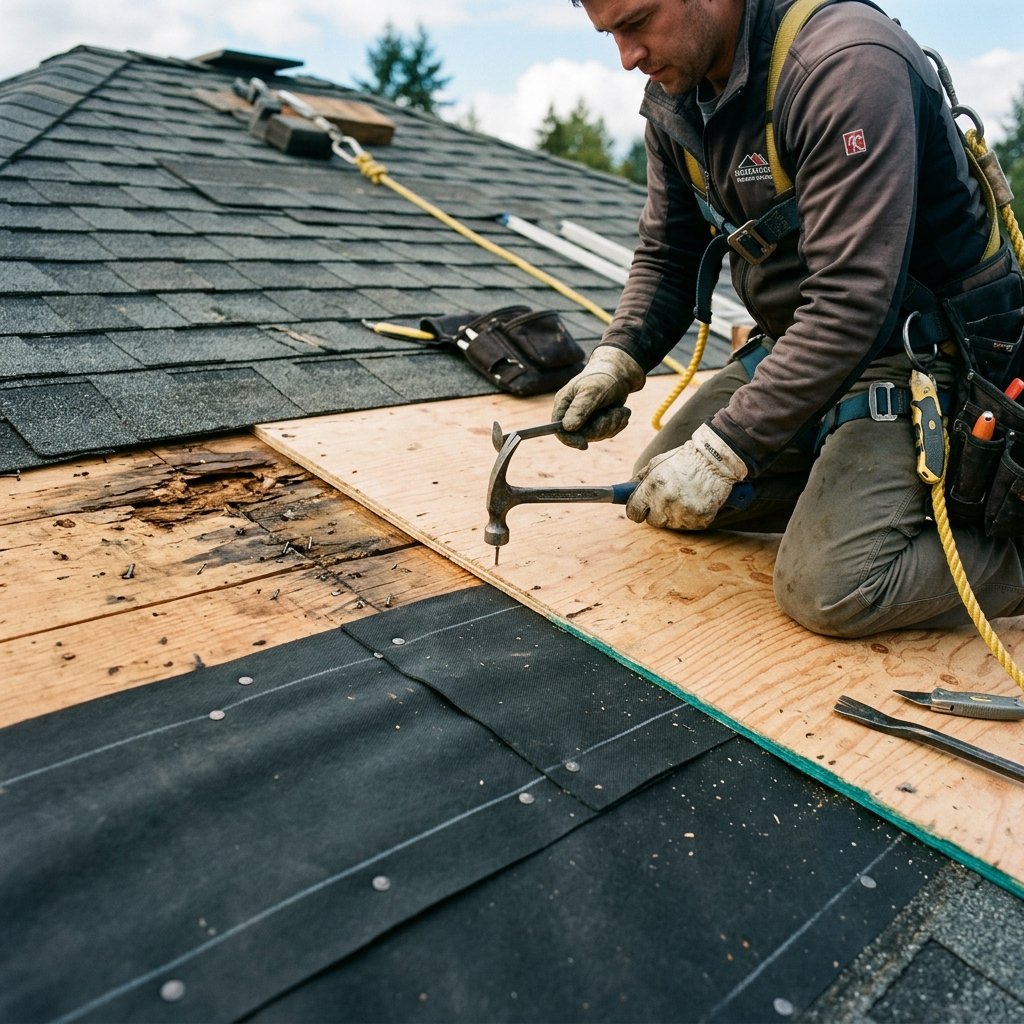
Localized leaks can damage plywood or oriented strand board beneath asphalt shingles. The roofing contractor can identify soft, deteriorated, delaminated, or broken decking after removing damaged roofing materials, and the repair area must provide a suitable substrate before replacement shingles return to the roof. Widespread deck damage can indicate a larger moisture problem and may support complete roof replacement evaluation.
Underlayment provides secondary water protection beneath asphalt shingles. Localized repair can expose torn, deteriorated, or incorrectly installed underlayment, and the contractor should restore the affected area before installing replacement shingles. NRCA recommends additional underlayment protection for asphalt shingle roofs at lower slopes, since roofs between approximately 14 and 18 degrees require greater secondary protection than conventional steeper applications.
Drip Edge and Roof Edge Repair
Drip edge protects roof perimeter locations at eaves and rakes. Damaged edge metal can allow water to reach fascia, roof deck edges, or adjoining materials, and wind can also damage shingles near the perimeter because roof edges experience concentrated wind forces. NRCA guidance recommends overlapping adjacent drip edge sections by at least 2 inches and fastening drip edge at approximately 12 inches on center, with closer spacing where higher wind conditions require additional attachment. A roof edge repair can involve shingles, underlayment, drip edge, and damaged substrate rather than one isolated component.
Wind, Hail, and Impact Damage
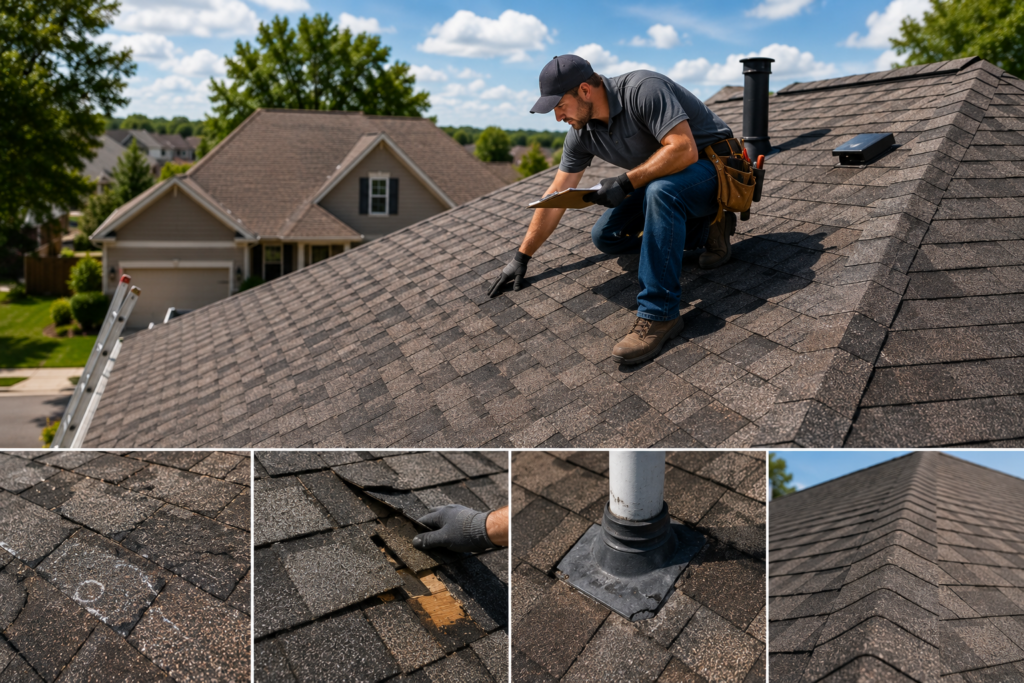
Wind can damage shingles without removing every affected piece. Lifted tabs, broken seals, creases, missing shingles, and damaged roof edges can appear after severe weather, and wind exposure can also affect ridge and hip shingles. The contractor should inspect multiple roof planes after a wind event because damage can extend beyond the most visible location. One small affected area can support localized repair, while missing and damaged shingles across several roof planes can require a broader storm damage roof replacement assessment.
Hail and falling debris can damage asphalt shingles through direct impact, with the effect depending on impact force, shingle condition, material type, roof slope, and the object striking the surface. One damaged area from a fallen branch can support targeted repair when surrounding roofing remains serviceable, but widespread impact marks require broader inspection because several roof planes can receive damage during the same storm.
Asphalt Shingle Roof Repair Process
Roof Inspection
The contractor examines the reported problem, surrounding shingles, flashing, penetrations, and accessible interior evidence.
Repair Area Identification
The contractor determines whether damage remains localized enough for repair.
Damaged Shingle Removal
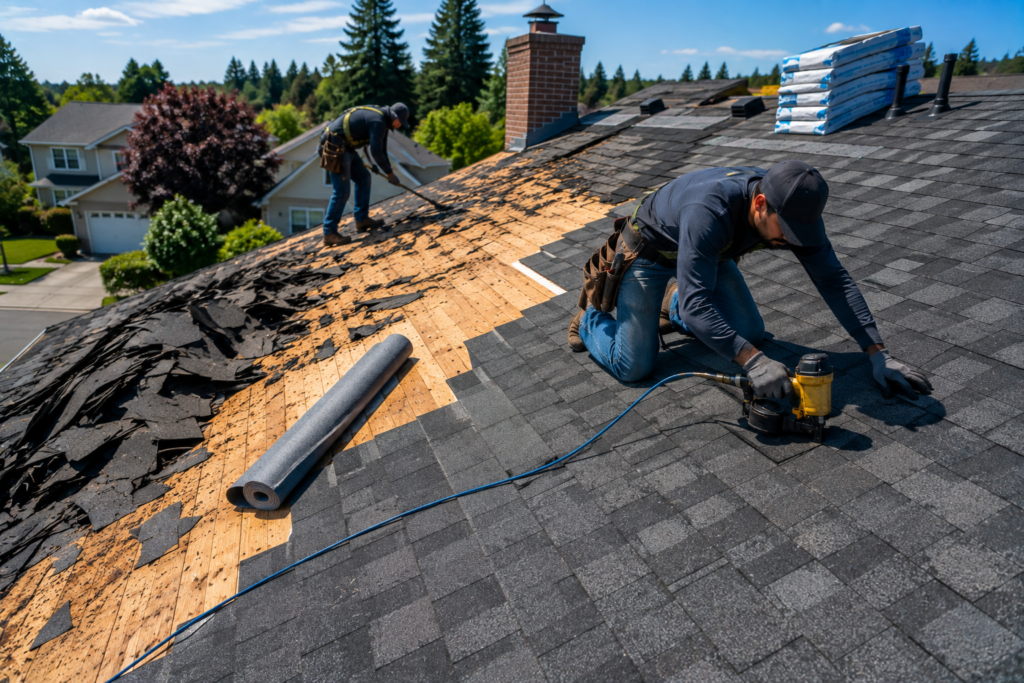
The roofing crew carefully removes damaged shingles while protecting serviceable surrounding courses.
Underlying Material Inspection
The crew examines exposed underlayment, decking, flashing, and fasteners.
Deck and Underlayment Repair
The crew corrects damaged substrate or secondary water protection within the repair area.
Flashing Correction
The crew replaces or repairs damaged flashing when the leak involves a transition or penetration.
Replacement Shingle Installation
The crew installs compatible shingles with the specified fastening pattern and correct course overlap.
Final Inspection
The contractor checks the repair area, surrounding shingles, flashing, and roof surface before cleanup.
Real World Shingle Roof Repair Example
Consider a 1,900 square foot single story home in Oregon with architectural asphalt shingles. A wind event removes seven shingles from one roof plane and lifts several adjoining tabs, and the homeowner notices a small ceiling stain near an exterior wall after the next rainfall.
Inspection identifies seven missing shingles, four damaged adjoining shingles, and a small torn underlayment area. The roof deck remains firm and dry around most of the repair area, but one small OSB section shows localized moisture deterioration. The roofing crew removes the affected shingles, replaces the damaged deck section, restores the underlayment, and installs compatible architectural shingles using the required fastening pattern. The surrounding roof remains serviceable, so the localized repair restores the damaged area without complete roof replacement.
What Affects a Shingle Roof Repair Project?
Repair area size directly affects material and labor requirements, and replacing four shingles requires a different scope from repairing a complete valley.
- Roof slope: affects access and working conditions, and valleys, dormers, chimneys, skylights, and wall intersections can add removal and flashing work
- Existing material condition: brittle shingles can become difficult to lift during repair without damaging surrounding courses
- Deck deterioration, underlayment damage, and flashing condition
- Replacement shingle availability, roof height, weather, and property access
Shingle Roof Repair Versus Replacement
Roof Repair
Repair makes sense when damage remains localized and the surrounding roofing assembly remains serviceable. Several missing shingles, one pipe boot leak, one flashing defect, or limited impact damage can support repair.
Roof Replacement
Replacement becomes more relevant when shingles show widespread cracking, multiple roof planes contain damage, recurring leaks appear in separate locations, or deck deterioration extends beyond isolated areas. Learn more about full roof replacement.
A contractor should evaluate the complete roof condition before recommending replacement based on one visible defect. Homeowners with widespread deterioration can review the roof replacement cost guide and a roof replacement timeline when repair is no longer sufficient.
Why Correct Shingle Matching Matters
Replacement shingles should integrate physically with the existing roof covering. Shingle dimensions, exposure, profile, thickness, color, and fastening requirements can differ between products, and a visually similar shingle does not automatically provide identical installation characteristics. Older products can also become unavailable after manufacturers change product lines. The contractor should identify a compatible replacement product and explain visible appearance differences when an exact match does not exist. Correct physical integration matters more than achieving a perfect color match on an aged roof.
Frequently Asked Questions About Shingle Roof Repair
Can individual asphalt shingles be repaired or replaced?
Yes. A contractor can replace individual damaged shingles when surrounding roofing remains serviceable and compatible replacement material can integrate with the existing courses.
Does one missing shingle cause a roof leak?
One missing shingle can expose underlying roofing materials and increase the risk of water entry. Leak risk depends on the missing shingle location, surrounding courses, underlayment condition, and weather exposure.
Can cracked shingles be sealed instead of replaced?
The correct repair depends on crack location and shingle condition. Complete replacement of a damaged shingle can provide a more appropriate repair when cracking affects the water shedding surface or structural integrity of the shingle.
Can roof flashing be repaired without replacing the entire roof?
Yes. Localized flashing defects can often receive targeted repair when surrounding shingles, underlayment, and decking remain serviceable. The contractor may remove nearby shingles to access the flashing correctly.
Can wind damaged shingles be repaired?
Localized wind damage can support repair when the surrounding roof remains in suitable condition. Widespread missing, creased, or lifted shingles across several roof planes require broader evaluation.
How do roofers find a shingle roof leak?
Roofers inspect shingles, valleys, flashing, penetrations, roof edges, and interior moisture evidence to trace the likely water path. Interior stains do not always appear directly beneath the exterior defect.
When should shingle repair become roof replacement?
Replacement becomes more appropriate when deterioration affects multiple roof planes, recurring leaks develop at separate locations, widespread cracking appears, or extensive deck damage prevents reliable localized repair.
Schedule Shingle Roof Repair With Roofing Relief Pros
Missing shingles, cracked tabs, damaged flashing, loose roofing materials, and isolated leaks can expose underlayment and decking to moisture. Roofing Relief Pros helps homeowners identify localized asphalt shingle damage and determine whether repair or replacement fits the documented roof condition.
- Free estimate
- Leak source identified before repair
- Compatible replacement shingles
- Licensed & insured crews
Get a Free Shingle Roof Repair Estimate
Fast response. No spam. No obligation.