Storm Damage Roof Replacement: Signs, Costs & What to Do

admin

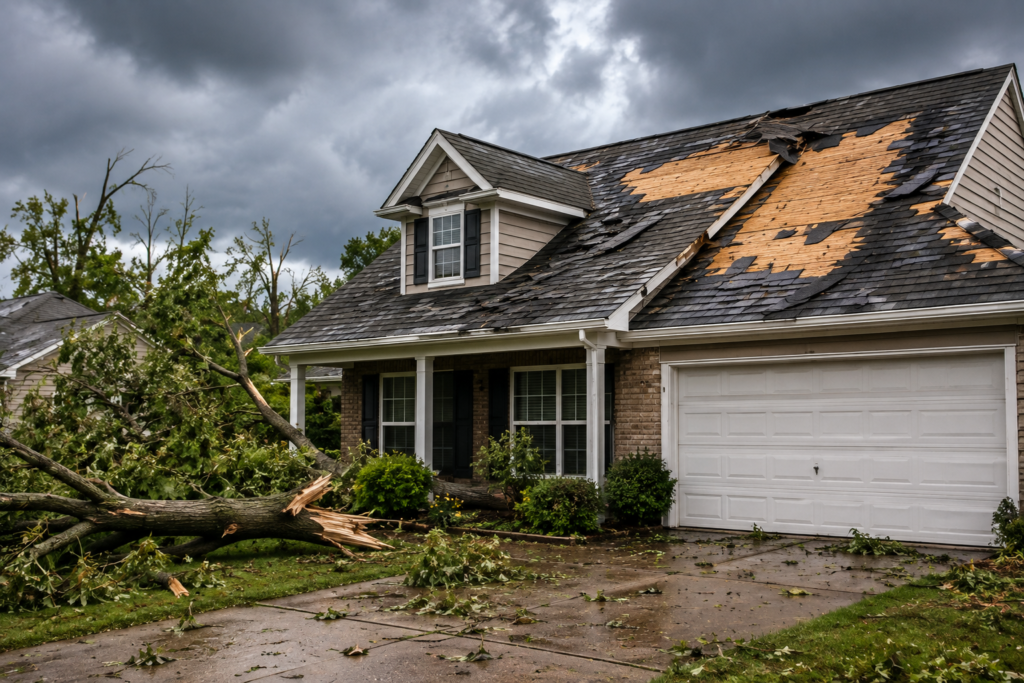
Storm damage does not always mean you need a complete roof replacement. Minor damage can often be repaired, while widespread wind, hail, impact, or structural damage may require a new roof. The quickest way to determine the right solution is to have the roof professionally inspected after a severe storm.

When Does Storm Damage Require Roof Replacement?

A storm-damaged roof generally needs replacement when the damage is widespread, affects the roof’s underlying structure, or occurs on an already deteriorated roof.

Replacement may be appropriate when you have:

  • Extensive missing or damaged roofing materials
  • Widespread hail or wind damage
  • Damaged roof decking
  • Significant water intrusion
  • Multiple areas requiring repair
  • Severe flashing or penetration damage
  • An older roof already near the end of its service life

If the damage is limited to a small area, a commercial roof repair service or residential roof repair may be sufficient.

A professional inspection should determine whether repair, restoration, or replacement provides the best solution.

What Storms Can Do to Your Roof

Wind, hail, heavy rain, and falling debris can all damage roofing materials and the components beneath them.

Wind Damage

Strong winds can lift, loosen, curl, or remove shingles and damage flashing, ridge caps, vents, and other roof components. Wind damage may not always be obvious from the ground — shingles can remain in place while their seals or fasteners have been compromised.

Hail Damage

Hail can cause dents, bruising, cracks, and granule loss. It can also damage gutters, downspouts, siding, skylights, and other exterior components.

Heavy Rain

Heavy rain can expose damaged flashing, failed seals, blocked drainage, and roof penetrations. Water stains inside the property after a storm are a warning sign that should be investigated.

Falling Trees and Debris

Branches and other debris can puncture roofing materials and damage the roof deck, flashing, or structural components.

7 Signs of Storm Damage

Missing roofing materials, impact marks, water intrusion, and damaged flashing are among the clearest signs that your roof needs a professional inspection.

Missing or Lifted Shingles

Missing, curled, cracked, or displaced shingles can leave the roof exposed to water.

Hail Marks

Dents, bruising, circular impact marks, and unusual granule loss can indicate hail damage.

Damaged Flashing

Bent, loose, or displaced flashing around chimneys, vents, skylights, walls, and roof edges can allow water to enter.

Granules in Gutters

A noticeable increase in roof granules after a hailstorm can indicate damage to asphalt shingles.

Ceiling or Wall Stains

Brown, yellow, or discolored areas inside the property can indicate water intrusion.

Damaged Gutters

Dents or impact marks on gutters and downspouts can indicate that hail affected the property.

Fallen Debris

Branches, tree limbs, and other debris can cause impact damage that may not be visible from ground level.

Do not climb onto a damaged roof yourself. A professional inspection can identify visible and hidden damage safely.

Storm Damage Roof Replacement Process

Professional Roof Inspection

A contractor assesses visible and hidden storm damage, including roofing materials, flashing, decking, insulation, and structural components.

Damage Documentation

Photos, videos, inspection findings, and a written scope of work are prepared to document the affected areas.

Insurance Claim Review

If the damage may be covered, the property owner works with their insurer through the claim process. The insurer determines coverage under the policy.

Replacement Scope & Estimate

The contractor determines whether full replacement is necessary and provides the recommended roofing system, materials, labor, and estimated costs.

Temporary Protection

If the roof is exposed, temporary measures such as professional tarping may be used to prevent additional damage.

Roof Tear-Off & Preparation

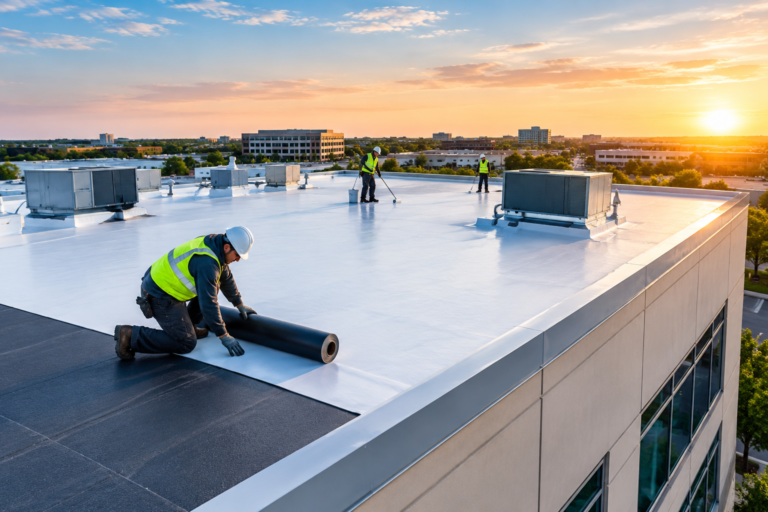
The damaged roofing system is removed when required, and the roof deck is inspected and prepared for the new system.

New Roof Installation

The selected roofing materials are installed, including underlayment, insulation where applicable, membranes or shingles, flashing, and other components.

Final Inspection & Cleanup

The completed roof is inspected, the work area is cleaned, and the property owner receives information about warranties and maintenance.

Repair or Roof Replacement: Which Do You Need?

Localized damage can often be repaired, while widespread or structural damage is more likely to require replacement.

Situation Likely Solution
A few damaged shingles Repair
Small flashing failure Repair
Limited hail damage Repair or partial replacement
Widespread hail damage Replacement may be required
Large areas of missing roofing Replacement
Damaged roof decking Replacement/structural repair
Extensive water intrusion Replacement may be required
Old roof with widespread storm damage Replacement

The roof’s age and existing condition matter as much as the storm itself. A relatively new roof with isolated damage may be repairable, while an older roof with widespread damage may be more economical to replace.

What Should You Do After a Storm?

Document the damage, prevent further water intrusion, contact your insurer if appropriate, and arrange a professional inspection.

Check From a Safe Location

Look for visible damage from the ground. Do not climb onto a wet or damaged roof.

Take Photos and Videos

Document missing shingles, debris, damaged gutters, fallen trees, water stains, and other visible damage.

Prevent Further Damage

If the roof has been breached, arrange professional temporary protection such as a tarp where necessary.

Arrange a Roof Inspection

A professional can check roofing materials, flashing, penetrations, drainage, attic areas, and other components.

Contact Your Insurance Company

If you believe the damage may be covered, notify your insurer and follow its claim process.

Get a Written Estimate

Ask the contractor to document the damage, recommended work, materials, costs, and warranty information.

Does Insurance Pay for Storm Damage Roof Replacement?

Insurance may cover qualifying storm damage, but coverage depends on your policy, deductible, exclusions, roof condition, and the cause of damage.

Wind and hail damage may be covered under many property insurance policies, but normal deterioration and maintenance-related problems are generally treated differently.

Before approving major work:

  • Review your insurance policy.
  • Report the damage promptly.
  • Photograph the affected areas.
  • Keep emergency repair receipts.
  • Obtain a professional inspection.
  • Request a detailed written scope of work.

Your contractor can document physical roof damage, but the insurance company determines coverage under your specific policy.

How Much Does Storm Damage Roof Replacement Cost?

A complete storm-damage roof replacement for a typical residential home generally costs $9,000 to $18,000, while full commercial roof replacements can range from $55,000 to $120,000 or more, depending on the roof size, materials, damage extent, and project complexity. The final price depends on:

Cost Factor Effect on Price
Roof size Larger roof = higher total cost
Roofing material Different materials have different costs
Damage severity More damage requires more labor/material
Tear-off Adds removal and disposal costs
Roof decking Damaged decking increases costs
Insulation Replacement adds material and labor
Roof access Difficult access increases labor
Flashing Extensive replacement increases cost
Location Labor and material prices vary
Emergency work Immediate temporary protection may cost more

The most accurate price comes from a property-specific inspection rather than a generic online estimate.

For commercial properties, see the Commercial Roof Replacement Cost Guide for current pricing ranges and cost factors.

How to Choose a Storm Damage Roofing Contractor

Choose a contractor who can document the damage, provide a detailed written estimate, and clearly explain whether repair or replacement is necessary.

Before hiring, check:

  • Licensing and insurance
  • Commercial or residential roofing experience
  • Manufacturer credentials where applicable
  • Written estimates
  • Warranty terms
  • References and reviews
  • Detailed damage photographs
  • Materials and installation specifications

Avoid contractors who pressure you to sign immediately or guarantee that your insurance company will pay for a replacement.

A reliable contractor should explain why replacement is necessary and provide evidence supporting the recommendation.

How Quickly Should Storm Damage Be Repaired?

Storm damage should be inspected as soon as possible to prevent additional water intrusion and deterioration.

Temporary protection may be necessary if the roof has been breached. Permanent repairs or replacement can then be scheduled after the damage and scope of work have been properly assessed. Delaying an exposed roof can allow water to damage insulation, decking, ceilings, walls, electrical components, and interior contents.

Frequently Asked Questions

Does storm damage always require a new roof?

No. Minor or localized damage can often be repaired. A new roof is generally considered when damage is widespread, structural, or affects an already deteriorated roofing system.

How do I know if hail damaged my roof?

Look for dents, bruising, granule loss, cracked roofing materials, and damaged gutters or downspouts. A professional inspection is recommended because some hail damage is difficult to identify from ground level.

Will insurance pay for my storm-damaged roof?

It depends on your insurance policy and the cause and extent of damage. Wind and hail may be covered, but deductibles, exclusions, roof age, and maintenance conditions can affect the claim.

How long do I have to file a storm damage claim?

The deadline depends on your insurance policy and local requirements. Contact your insurer as soon as possible after discovering damage rather than waiting until additional problems develop.

Should I repair my roof before the insurance inspection?

Make only necessary temporary repairs to prevent further damage unless your insurer instructs otherwise. Photograph the damage first and keep receipts for emergency work.

How much does storm damage roof replacement cost?

There is no single price. Costs depend on roof size, material, location, damage severity, tear-off, decking, insulation, access, and labor. A professional inspection provides the most accurate estimate.

Can I inspect storm damage myself?

You can inspect visible areas from the ground, but do not climb onto a damaged roof. Roofing professionals can safely assess the roof surface and underlying components.

Get Your Roof Checked After a Storm

A professional inspection is the best way to determine whether storm damage requires repair or complete roof replacement. Roofing Relief Pros can assess storm-related damage, document affected areas, and help property owners understand their repair or replacement options.

(866) 280-1324

Request a Storm Damage Roof Inspection

Fast response. No spam. No obligation.

Leave a Reply

Your email address will not be published. Required fields are marked *